An employee who books a sophrology session online between two meetings, an aesthetician who checks the regulatory compliance of her cosmetics before offering a new treatment, a traveler who chooses his hotel based on the sleep program offered: well-being in 2026 is no longer just about an occasional relaxation break. Practices are specializing, channels are multiplying, and expectations are changing faster than the offers.
Remote well-being consultations: marked disparities by discipline
We often speak of the digitalization of well-being as a homogeneous block. In reality, feedback varies by discipline. Sophrology or mental coaching adapts quite well to online formats. Body treatments, reflexology, or thermotherapy remain, by definition, impossible to dematerialize.
This divide creates two speeds in the sector. Practitioners whose work involves touch or a physical environment (baths, cabins, massage tables) do not benefit at all from the geographical expansion that remote consultations allow. In contrast, psychological and breathing support is attracting an audience that would never have entered an office.
For those who regularly follow the publications on Belle et Unique, this trend is confirmed by the shared experiences of professionals in the beauty and well-being sector.
The NAF code 96Y, assigned to practitioners of complementary practices, attempts to provide statistical visibility to this market. The limitation: it only covers part of the disciplines, making any global estimation approximate.
Cosmetic compliance in institutes: an often-overlooked operational angle
Well-being trends highlight new active ingredients, innovative textures, and rituals from Asia or Scandinavia. What is less visible is the regulatory verification work that each professional must conduct before integrating a product into their treatment menu.
The lists of authorized ingredients are regularly updated, and a cosmetic compliant at the time of purchase can become non-compliant a few months later if a component is removed or restricted. Beauty institutes and spas must monitor their stocks with the same rigor that a restaurateur applies to checking expiration dates.
In practical terms, this involves:
- Checking the INCI list of each new product before offering it in treatment rooms, cross-referencing it with European regulatory updates
- Establishing a supplier monitoring system with alerts on reformulations or component withdrawals
- Training staff to identify mandatory mentions on packaging, including for products purchased outside traditional channels
This compliance work represents time and ongoing training. It is far from a simple aesthetic choice between two brands.
Sleep tourism and hotel well-being: beyond the classic spa
The concept of sleep tourism is gaining increasing prominence in the hotel industry. The idea is not new (sleep cures have existed for decades), but the structuring around travel is changing.
Sleep is increasingly becoming a criterion for selecting accommodation. Specific mattresses, light therapy programs, menus adapted to the circadian rhythm: the hotel no longer sells a room but a measurable night of recovery.
For a traveler, the difference lies in concrete details: actual sound insulation (not just advertised), room temperature adjustable to the half-degree, absence of disruptive lights. Establishments investing in these amenities target a clientele willing to pay more for better sleep, not just for access to a jacuzzi.

Psychological prevention and breathwork: well-being before symptoms
The most noticeable shift in recent years concerns when one seeks consultation. There is a more regular use of support before symptoms appear, rather than in reaction to established discomfort.
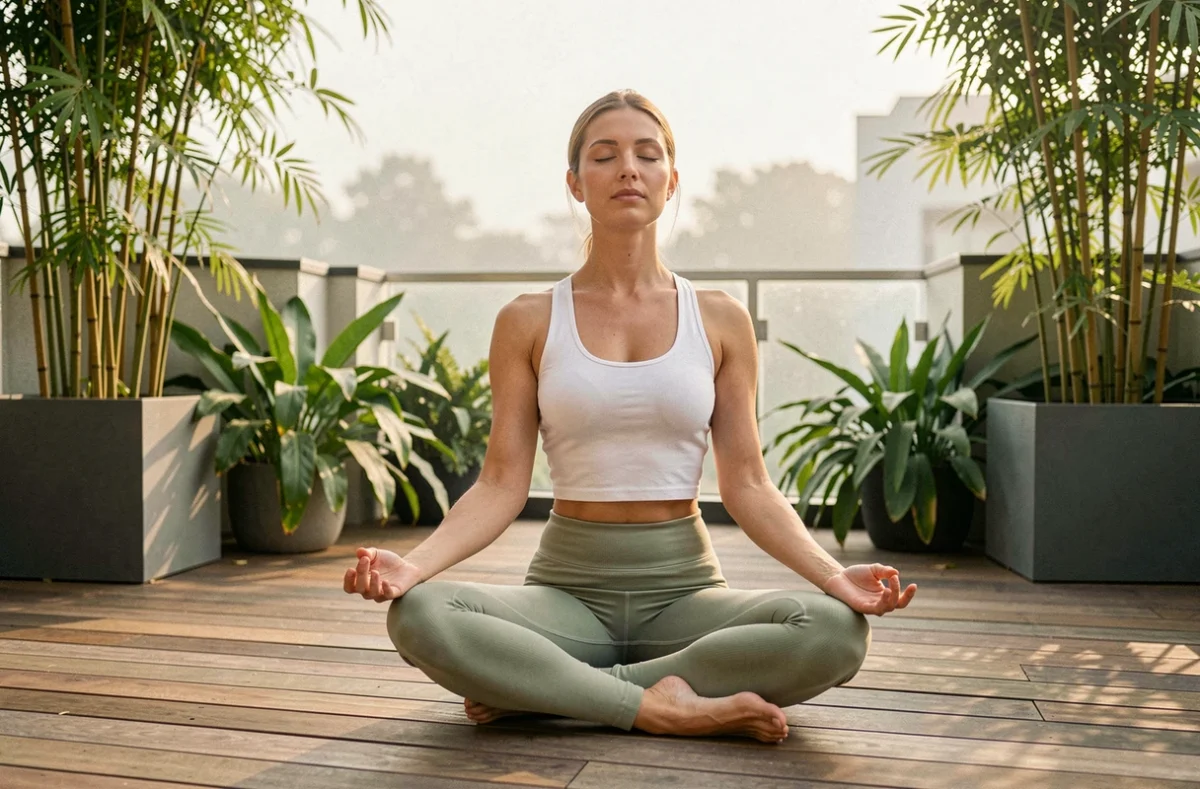
Breathwork illustrates this logic well. The practice involves using structured breathing techniques to regulate stress, improve concentration, or prepare for sleep. People do not come because they are unwell; they come to maintain a functional state.
- Short sessions (ten to twenty minutes) fit into a daily routine, often guided by an app or a practitioner online
- Breathwork combines with pilates or yoga in hybrid formats offered in-person or online
- Companies are beginning to integrate these practices into their workplace quality of life programs
Well-being is becoming a regular preventive approach, not a one-off response after exhaustion. This approach also alters the economic model for practitioners, who shift from a logic of occasional consultations to recurring follow-ups through subscriptions or packages.
Personalized nutrition and microbiome
Nutrition remains a pillar of well-being, but the angle is changing. We are no longer just talking about eating balanced meals: the trend is moving towards nutrition tailored to the individual profile, particularly through the analysis of the gut microbiome. Generic advice (“eat five fruits and vegetables”) is giving way to targeted recommendations, even if access to these analyses remains limited for the general public.
The well-being sector in 2026 is structured around more specialized, traceable, and preventive practices. Professionals who are thriving are those who combine technical mastery of their discipline with rigorous monitoring of regulatory developments.