In Brittany, classrooms are transforming thanks to digital tools. Students use tablets to follow interactive courses, while teachers adopt online platforms to enrich their teaching methods. This evolution allows for personalized learning, making each path more suited to individual needs.
Schools in the region are investing in technological infrastructures to ensure equitable access to digital resources. Local initiatives, in collaboration with local authorities, aim to reduce the digital divide and prepare young people for the challenges of the 21st century. Brittany is thus becoming a model of educational innovation.
Digital tools transforming education in Brittany
The Digital Work Environment (ENT), known as Toutatice, stands out as a central pivot of this revolution. Designed for schools in the Brittany region, it offers centralized access to a multitude of educational resources, administrative services, and communication features.
Features of the ENT
- Digital library
- E-learning platforms
- Secure messaging
- Forums and collaborative spaces
- Tracking of grades and absences
- Administrative procedures
The ENT guarantees universal and secure access, allowing every member of the educational community, whether students, teachers, parents, or administrative staff, to easily navigate between different features. This user-friendly interface, available in several languages, also facilitates the inclusion of non-French-speaking families.
Collaboration and regional impact
The Brittany region and the Academy of Rennes are working closely together to implement and develop this tool, thus ensuring a modernization of education through the integration of digital technologies. This regional initiative aims to reduce educational inequalities and ensure educational continuity, even in times of crisis.
Teachers benefit from enhanced pedagogical support, and parents can transparently and effectively monitor their children’s education. The ENT, accessible on various digital devices such as computers, tablets, and smartphones, adapts to the contemporary needs of users.
Perspectives and challenges
This digital transformation faces technical and logistical challenges. Maintenance and regular updates, data security, and ongoing user training are all issues to be resolved to ensure optimal use of digital tools in Brittany. Despite these obstacles, future prospects remain promising, with constant improvements planned to enhance the effectiveness and impact of these educational technologies. 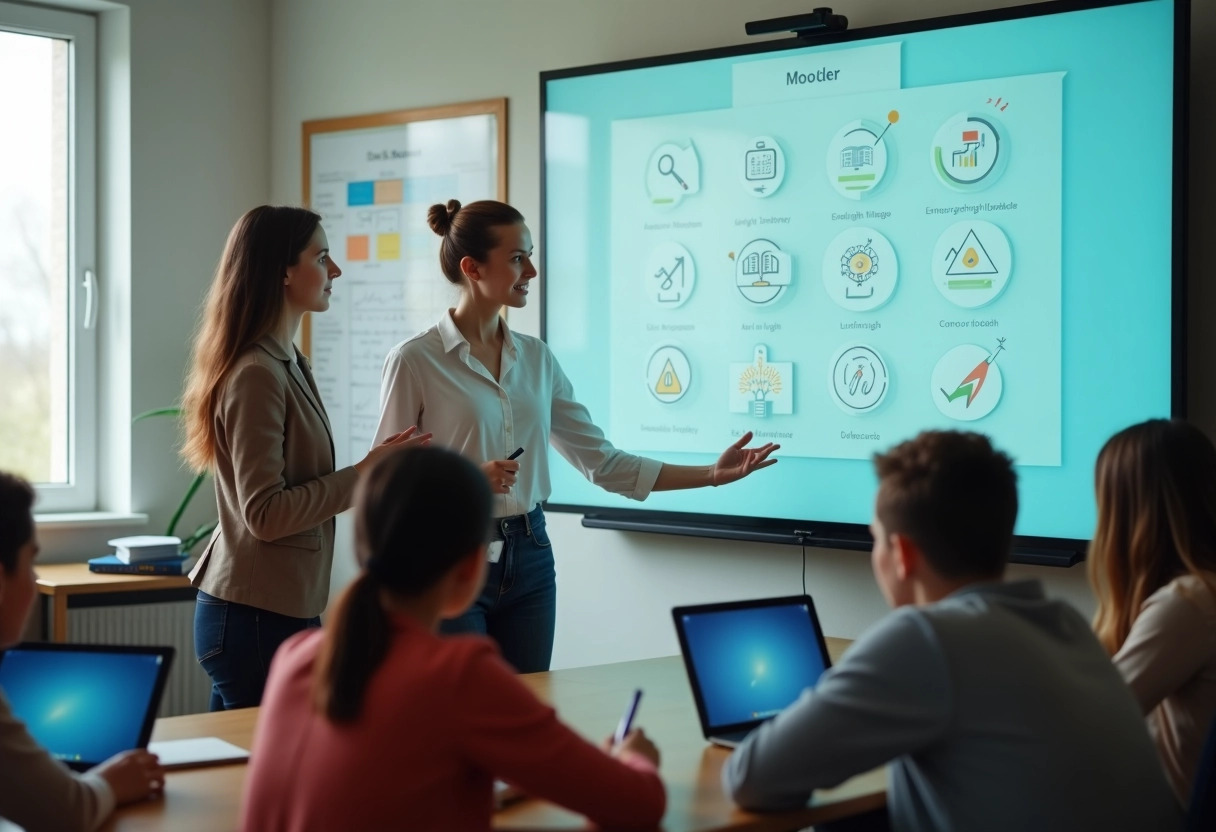
Impact and prospects of educational technologies in Brittany
The integration of digital tools into the Breton educational system presents significant advantages. These technologies enhance students’ learning experiences by providing a variety of educational resources that are interactive. Teachers have enhanced pedagogical support, while parents benefit from transparent monitoring of their children’s education.
This digital transformation is not without challenges. The maintenance of infrastructures, regular software updates, and the security of personal data represent major issues. Ongoing training for users, whether they are teachers, students, or parents, is also essential to ensure optimal use of digital tools.
The future prospects for education in Brittany are nonetheless promising. Constant improvements are planned to enhance the effectiveness of digital tools and their impact on learning. Among the upcoming innovations are:
- The development of adaptive learning technologies using artificial intelligence
- The integration of interactive whiteboards in classrooms
- The establishment of responsible digital strategies for ethical and sustainable use of technologies
The involvement of the Brittany Region and the Academy of Rennes in these projects demonstrates a strong commitment to modernizing education and reducing educational inequalities. By promoting access to quality educational resources and supporting the stakeholders in the educational community, these initiatives contribute to a sustainable and inclusive transformation of teaching in Brittany.