A dog can detect a drop in blood sugar levels even before the first symptoms appear in its owner. Cats, on the other hand, reduce the risk of stroke by 30% according to some studies. Yet, 40% of pet owners underestimate their animal’s physical activity needs, jeopardizing their health.
Inadequate practices persist in the feeding or stress management of pets, despite the abundance of available information. The beneficial effects on human health do not compensate for the shortcomings in animal welfare management.
Pets: how their presence improves our health on a daily basis
A dog that greets you in the evening, a cat that settles on your lap: these everyday gestures go beyond simple pleasure. Their presence plays a direct role in our mental and physical balance. Research converges: living with a pet, whether in the city or the countryside, acts as a catalyst for well-being. Less stress, better-managed emotions, a heart that beats more serenely. For children, contact with animals facilitates emotional expression and frustration management.
This phenomenon is not a trend. Cats and dogs have been integrated into therapeutic approaches for years, precisely because petting an animal, walking it, or simply watching it stimulates the release of oxytocin. This hormone, a valuable ally of well-being, soothes and comforts. There is also increased prevention of certain diseases, particularly cardiovascular ones, and for lonely or vulnerable individuals, moral support is tangible.
Innovative projects, shared among others on animals on La Fibre Câline, demonstrate the extent of this bond between humans and animals. Sharing your daily life with a pet encourages more movement: walks, play, care, all opportunities to stay active and improve your own health.
Here are some concrete benefits that make a difference:
- Reduction of anxiety and stress
- Stimulation of physical activity
- Strengthening of the sense of belonging and responsibility
Living with an animal is not just an asset; it is a gradual and profound transformation of health, morale, and family dynamics. The figures and testimonials confirm it: adopting an animal is choosing a companion that sustainably improves quality of life.
What are the essential needs to ensure your pet’s well-being?
Providing a balanced life for a pet requires attention on several fronts. Each species, each individual has its own needs. The food must correspond to its age, lifestyle, and health status: what works for a cat will not suffice for a ferret or a dog, and vice versa. This is why the advice of a veterinarian is invaluable for adjusting the diet and preserving your companion’s vitality.
Safety starts with identification: in France, microchipping or tattooing is required for dogs, cats, and ferrets. This process protects the animal against loss and facilitates its return home in case of escape, while ensuring medical follow-up.
Veterinary follow-up is not just a formality. Vaccinations, deworming, dental checks need to be scheduled regularly. But health does not stop at the physical: the environment must also be considered. An animal needs stimulation, play, quiet places to rest, and frequent contact with its human.
The basics to meet these needs are clear:
- Balanced and appropriate diet
- Scheduled veterinary follow-up
- Regulatory identification
- Safe and enriched environment
Caring for an animal means combining vigilance, listening, and commitment. The balance created benefits the animal, but also the lives of everyone, instilling a climate of serenity at home.
Adopting a pet, a beneficial commitment for all
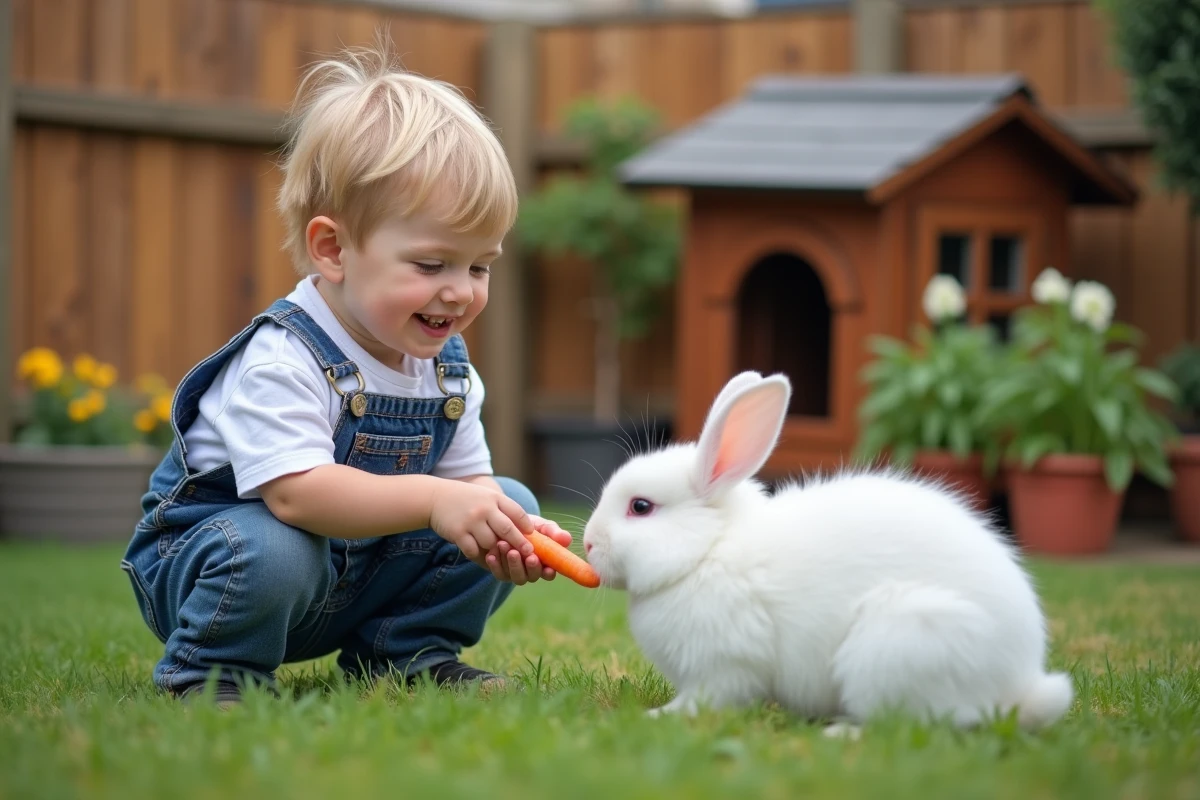
Choosing to welcome a pet changes habits, disrupts priorities, but above all enriches daily life. This act is not trivial: it is a sustainable choice that commits to attending to every detail of animal welfare. Integrating a dog or cat into the family means learning to recognize its signals, understand its needs, and establish a relationship built on respect and trust.
As days go by, the presence of the animal brings a new dynamic. Owners report a more peaceful atmosphere, reduced stress, and sometimes even better harmony among household members. Routines evolve: outings, group play, shared moments of calm. The animal becomes a reference point, a driving force for connection within the home.
Data collected in France also highlights the social role of the animal: outings promote exchanges, create new connections with other enthusiasts, and help weave a local network. The dog or cat is no longer just a companion; it becomes a link between neighbors, a pretext for conversation, a discreet yet very real support.
Here is what we most often observe:
- Stimulation of social interactions
- Strengthening of the sense of belonging
- Sharing of responsibilities within the household
The pet leaves a lasting imprint on all family members. Children learn patience and respect for living beings. Adults discover regularity and attention in daily life. The elderly find a calming presence. Welcoming an animal is much more than a heartfelt choice: it is opening up to an experience that transforms, empowers, and, over time, makes life richer and more vibrant. Those who have experienced it would not trade it for anything in the world.