You want to join a motorsport team, propose a sponsorship deal, or simply spend a day in the paddock, so you send the same generic message to everyone. The result is predictable: no reply, or a polite response that leads nowhere.
The problem isn’t a lack of teams you can approach, but how you frame your request. Before looking for a contact form, you need to know what you want to achieve and tailor your approach to the person you’re contacting.
Volunteering, partnerships or a behind-the-scenes look: three requests, three approaches
Contacting a racing team without explaining what you’re looking for is like sending a CV without a cover letter. Teams receive all kinds of enquiries, and a targeted message gets a faster response than a vague note about your passion for cars.
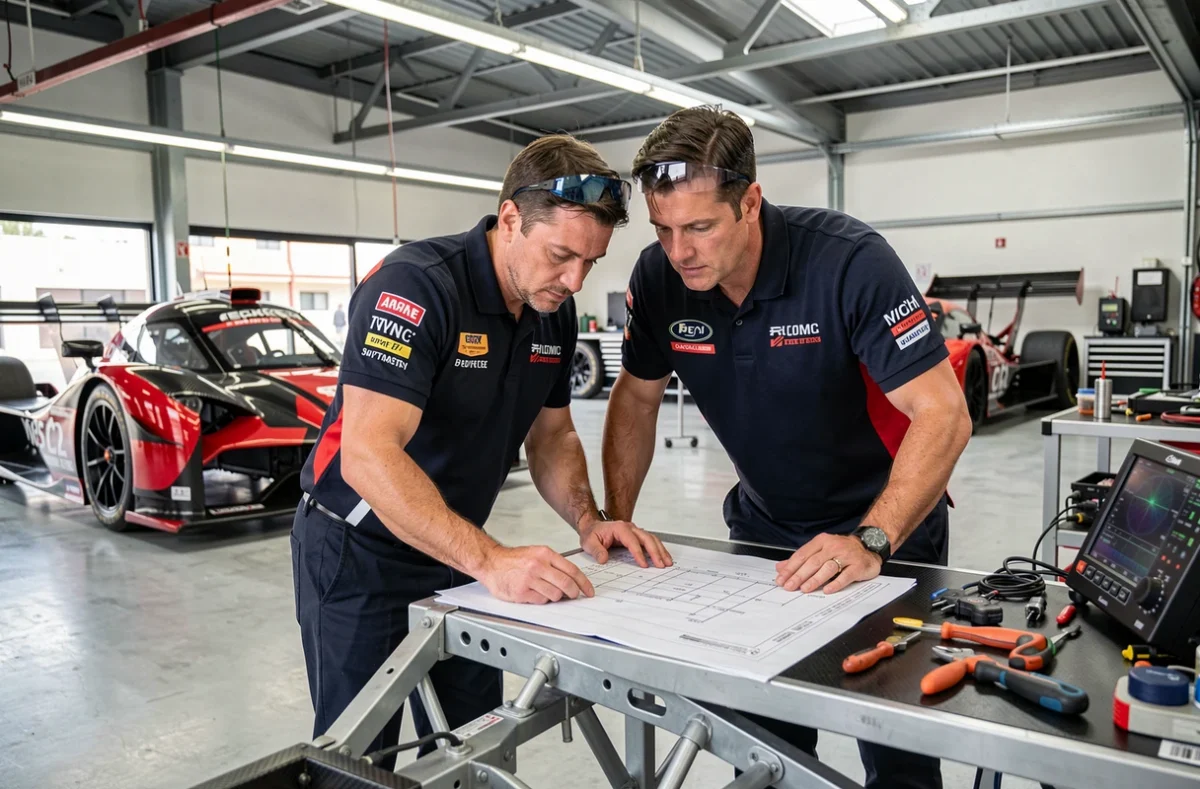
If you’re looking to volunteer or do a work-experience placement, the first thing to mention is your availability: race weekends, weekdays at the workshop, or specific dates. Teams work to tight schedules. A message that says “available on weekends from May to September, based in Île-de-France” lets the recipient quickly see whether you’re a good fit.
A partnership or sponsorship proposal follows a different approach. The team needs to understand what it stands to gain: visibility on a car, a presence on social media, or access to a professional network. Summarising your offer in three lines before asking for a meeting helps avoid unnecessary back-and-forth.
If you simply want a behind-the-scenes visit or a ride on the track, it’s better to look for open days or track days organised by the team rather than asking for private access. Most passionate teams organise this kind of event at least once a season.
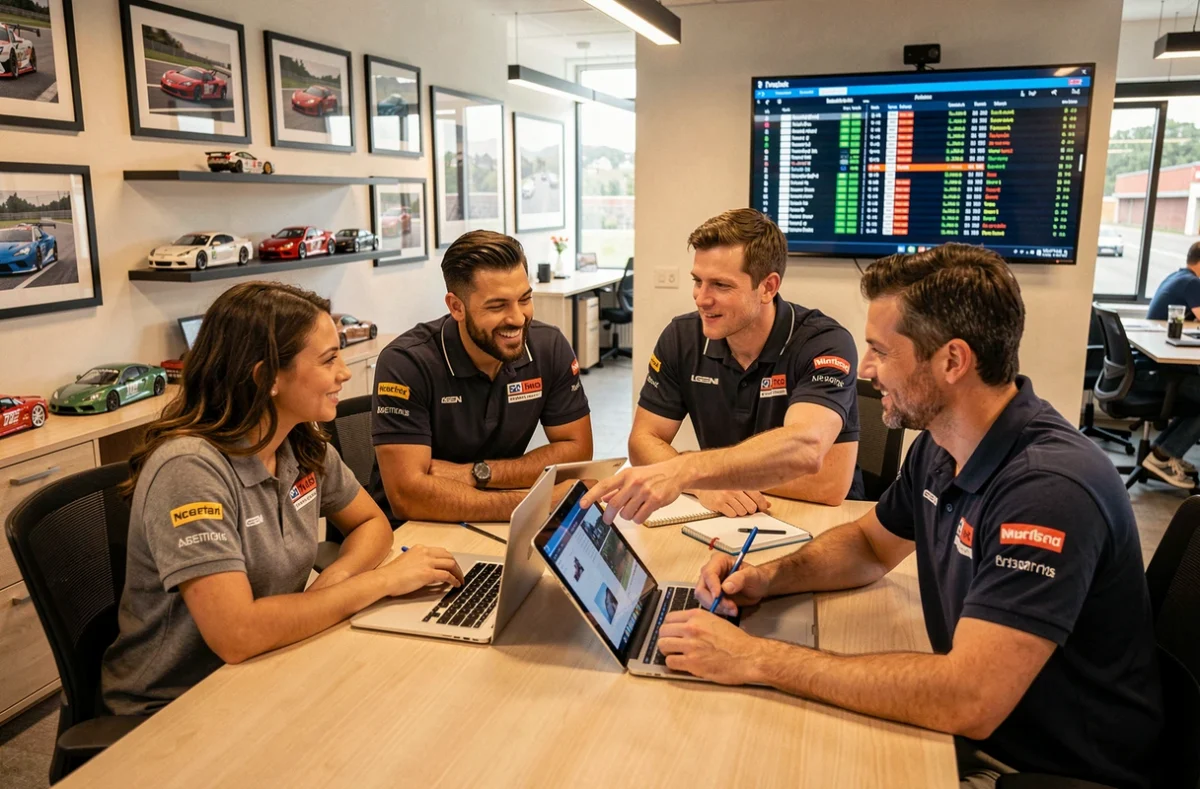
To find teams that match what you’re looking for, you can contact the Redracing Green website and see how a passionate team manages its interactions with the public, volunteers and potential partners.
Regional car clubs and the federation: the most reliable points of contact
General directories and event pages aren’t the best place to start when you’re looking for a hands-on team. FFSA-affiliated clubs can point you towards local teams far more effectively than an online search.
The Fédération Française du Sport Automobile (FFSA), recognised by the ministry as the sport’s governing body, has clubs and sports associations across the country. Contacting your local club, even if you’re not a member, can help you find active teams, organisers’ contact details and nearby competition schedules.
This approach has two main benefits:
- You can find teams that may not be visible on social media or search engines but regularly compete in regional events
- You benefit from a natural vetting process: the club knows which teams are reputable, which welcome volunteers and which are looking for sponsors
- You can attend a local event before getting in touch, giving you a specific point of reference for your first message
The FFSA calendars list events by discipline and region. Starting with a specific competition to identify a team gives you a much more relevant opening than sending a cold message through a generic contact form.
Social media and contact forms: which to use first
Most racing teams have a social media presence. But an Instagram account or TikTok page doesn’t mean the person managing those posts also handles partnership or volunteering enquiries.
Use social media to find the team, not to negotiate. A brief direct message asking who to contact or where to find the official form is the best approach. Sending a full partnership proposal by direct message on LinkedIn or Instagram risks it getting lost among the notifications.
The most effective sequence is:
- Find the team through its social media posts or at a motorsport event
- Check whether it has a website with a contact page or dedicated form
- If there’s no official channel, send a brief message on social media asking how to submit your enquiry
- Then follow up by email, mentioning the context (an event you attended, a club recommendation or a specific skill you can offer)
This two-step approach helps avoid a common pitfall: assuming the social media account is a recruitment channel. Most passionate teams have limited resources for communications, and a well-structured email is still the clearest format for a serious enquiry.
What to include in your first message
Whatever channel you use, an effective first message should be five or six lines long. Include who you are (in one sentence), what you’re looking for (volunteering, a partnership or a visit), where you’re based, your availability and a specific question. “How can I get involved?” is too vague. “Do you take on volunteers for next spring’s test days?” gives them something concrete to respond to.
Events and track days: meet the team in person before writing
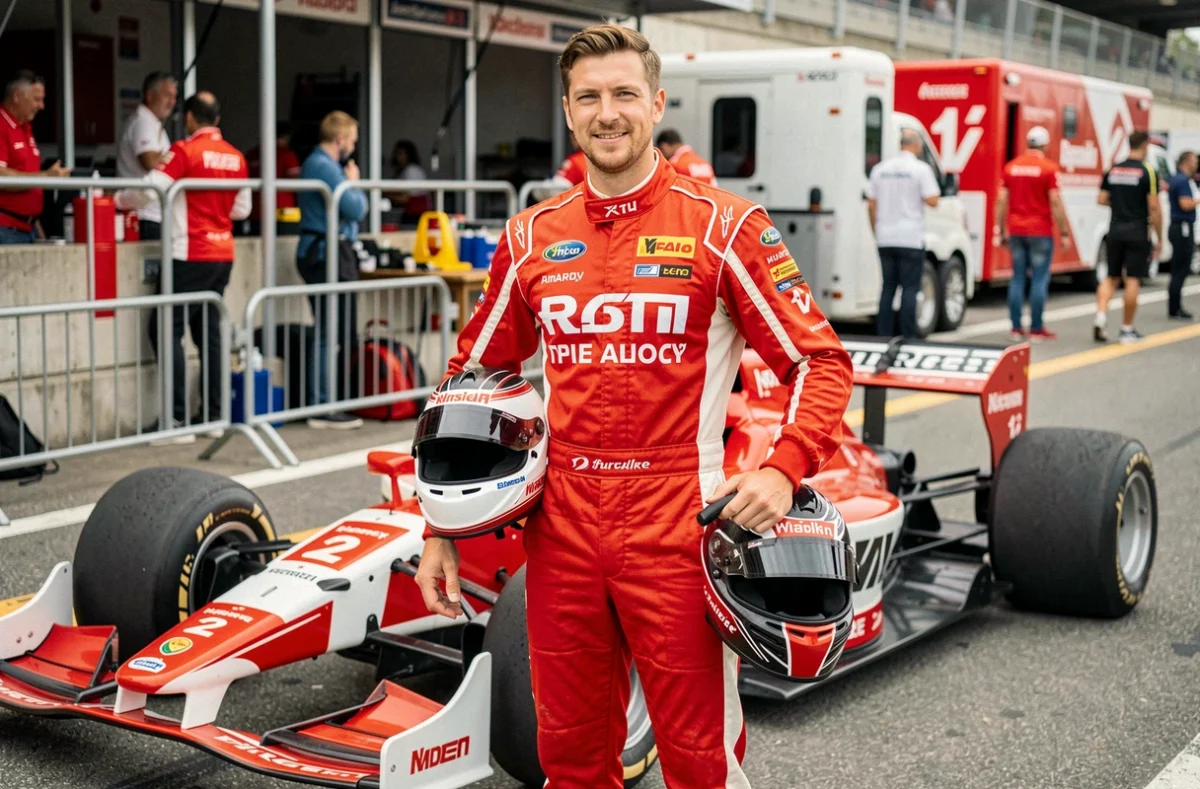
People often underestimate how effective it can be to meet someone in person. Test days, track days and regional competitions are opportunities to approach teams when they’re accessible, relaxed between sessions and often happy to talk about what they do.
Introducing yourself in the paddock at a motorsport event, watching the team at work and asking specific questions can build a connection that even the best email can’t replicate. A five-minute conversation trackside is worth ten messages online.
For events at race circuits, some organisations offer experiences that are open to the public, from a ride in a racing car to a full day behind the scenes. These events are also a chance to meet other enthusiasts who know the local scene.
Motorsport is still a world where personal connections matter just as much as technical skills. Taking the time to visit a circuit, attend a regional event or join a day organised by a local club remains the most direct way to find your place on a team.