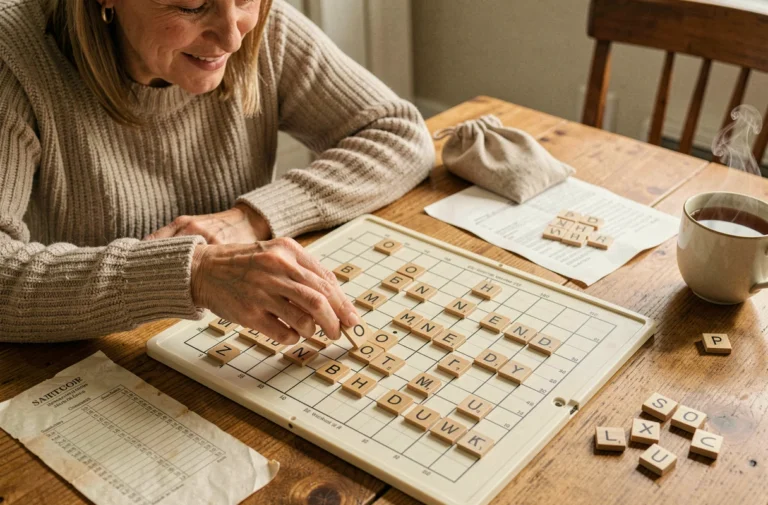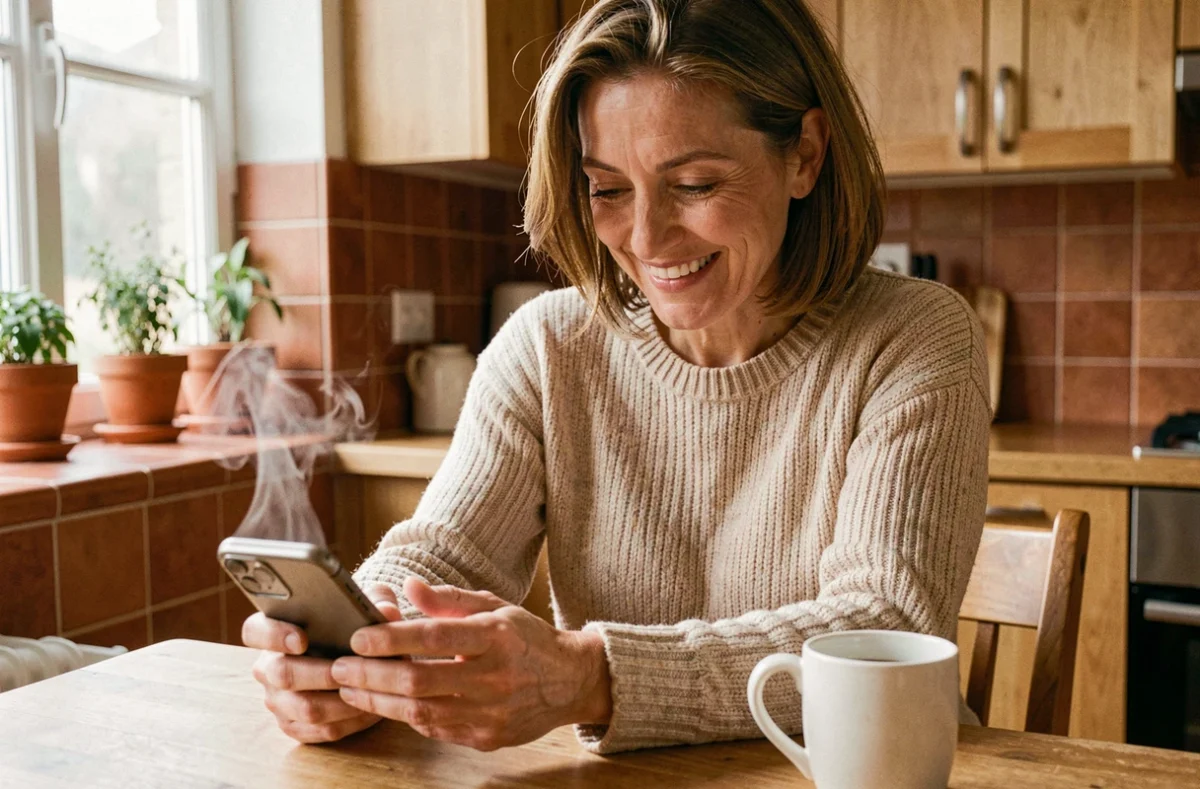
A classic phone call lasts on average less than two minutes. Instant messages often consist of just a few words exchanged between two tasks. These micro-contacts create the illusion of maintaining a connection, but they leave little room for a real conversation with loved ones.
Why common digital exchanges are not enough to stay in touch
Instant messaging and social networks create a permanent illusion of closeness. We send an emoji, react to a photo, share a link. These quick gestures maintain a form of presence, but do not nourish the relationship.
An analysis relayed by TF1 Info, based on ten editions of the “Les Solitudes en France” barometer from the Fondation de France and Crédoc, highlights a paradox: more than half of those under 25 use social networks several times a day to “keep busy,” rather than to communicate with their loved ones. This observation extends beyond young people: being connected does not mean being in touch.
The difference lies in the quality of the exchange. A text message conveys neither the tone of voice, nor the silences, nor the spontaneous reactions. Video calls partially compensate, but they require both people to be available at the same time, complicating regularity.
The challenge is therefore not to add another tool, but to find a format that integrates into daily life without requiring complex organization. The presentation of the On s’appelle site illustrates this approach by offering a framework designed for regular and spontaneous exchanges among family members.
Scheduled or spontaneous calls: what contact rhythm works
Setting a weekly time slot to call parents or friends is common advice. In practice, this appointment quickly becomes a constraint. An unforeseen event is enough to postpone the call, and then forget it.
The rhythm that maintains a lasting connection relies on short frequency and low friction. In other words, brief but regular exchanges, triggered without particular effort. A notification reminding to check in, a thirty-second voice message sent while walking, a call made without any excuse.
What regularity changes in the relationship
The Solitudes 2025 study by the Fondation de France, Crédoc, and CERLIS shows that people who exchange at least several times a month with their neighbors or close ones report a significantly lower feeling of isolation. Frequency matters more than the duration of each exchange.
For families geographically dispersed, a system that facilitates the first gesture of calling without planning transforms the dynamic. The main barrier is not a lack of desire, but the perceived effort to start the conversation.
Digital accessibility and family ties with seniors
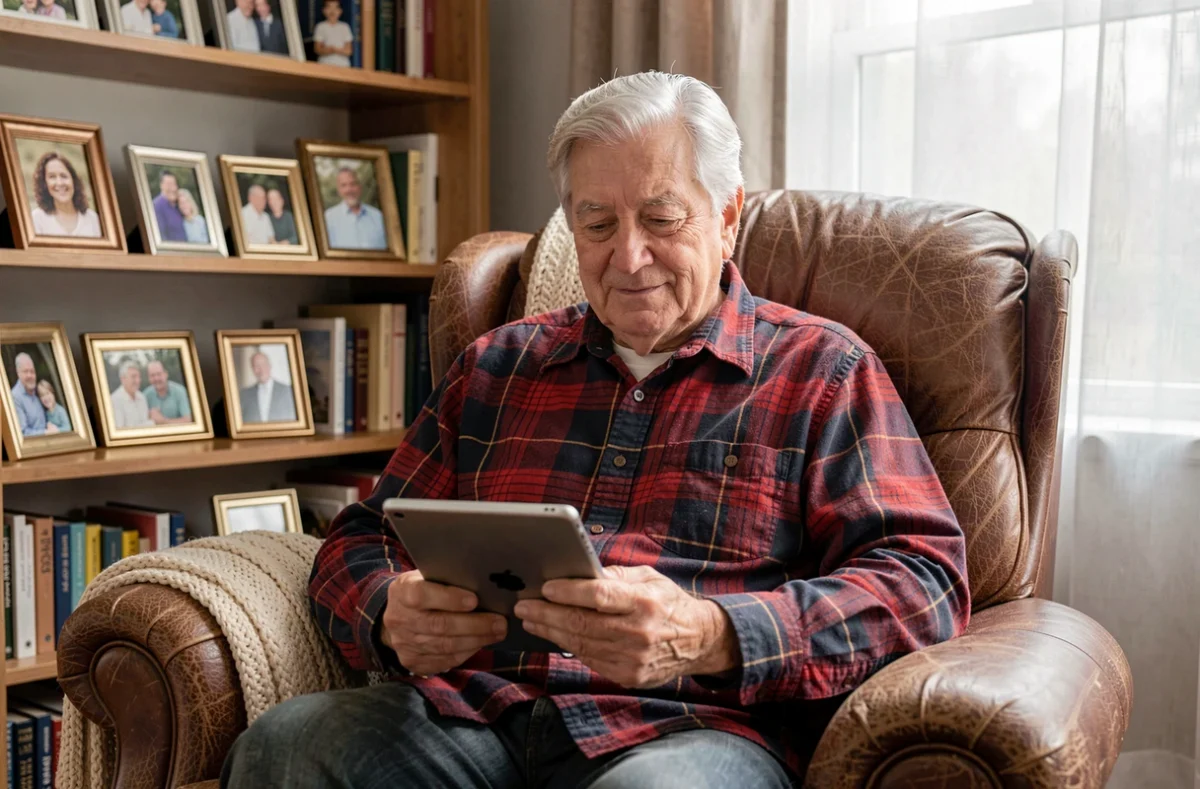
Remote contact solutions pose a recurring problem: they are designed for users comfortable with digital technology. Seniors, individuals with visual, auditory, or motor difficulties find themselves excluded from many tools.
The European directive 2019/882 now imposes accessibility criteria for digital services. This regulatory requirement pushes designers to rethink their interfaces. A button that is too small, a menu that is too deep, or low-contrast text is enough to render a tool unusable for part of the public.
Concrete criteria for a tool suitable for the whole family
- An interface with few steps between opening the app and launching a call, to reduce drop-offs related to complexity
- Large buttons, sufficient color contrast, and adjustable text size, in line with accessibility recommendations
- The ability to receive a call without prior manipulation, for those who are not proficient in screen navigation
- Functionality on various devices (landline phone, tablet, smart speaker), as not all family members use the same device
A tool that meets these criteria does not only target seniors. It simplifies usage for everyone, including children or those less familiar with technology.

Proximity links and digital: two complementary levers
The Solitudes 2025 study also reveals that neighborhood exchanges remain a pillar of sociability: associations, local businesses, and mutual aid among neighbors provide support points for isolated individuals. Digital does not replace these face-to-face interactions.
The combination of the two works better than each lever taken separately. A regular video call with a distant parent does not negate the need for local physical contacts. Similarly, frequent visits to a neighbor do not compensate for the total absence of news from a child who has moved far away.
Building a mixed contact network
The most effective approach is to combine:
- A simple digital channel for regular remote exchanges (calls, voice messages, shared photos)
- Physical presence moments, even brief, with those geographically close
- A community or associative relay for individuals whose family circle is limited or distant
Digital functions as a complement to proximity ties, not as a substitute. The most useful tools are those that trigger an exchange rather than those that offer the most features.
Staying in touch with loved ones on a daily basis does not require expensive equipment or advanced technical skills. Choosing a suitable tool, designed for regularity and accessibility, changes the game more than multiplying rarely used channels. The next time a text message seems sufficient, a two-minute call will likely do more for the relationship.